Topics
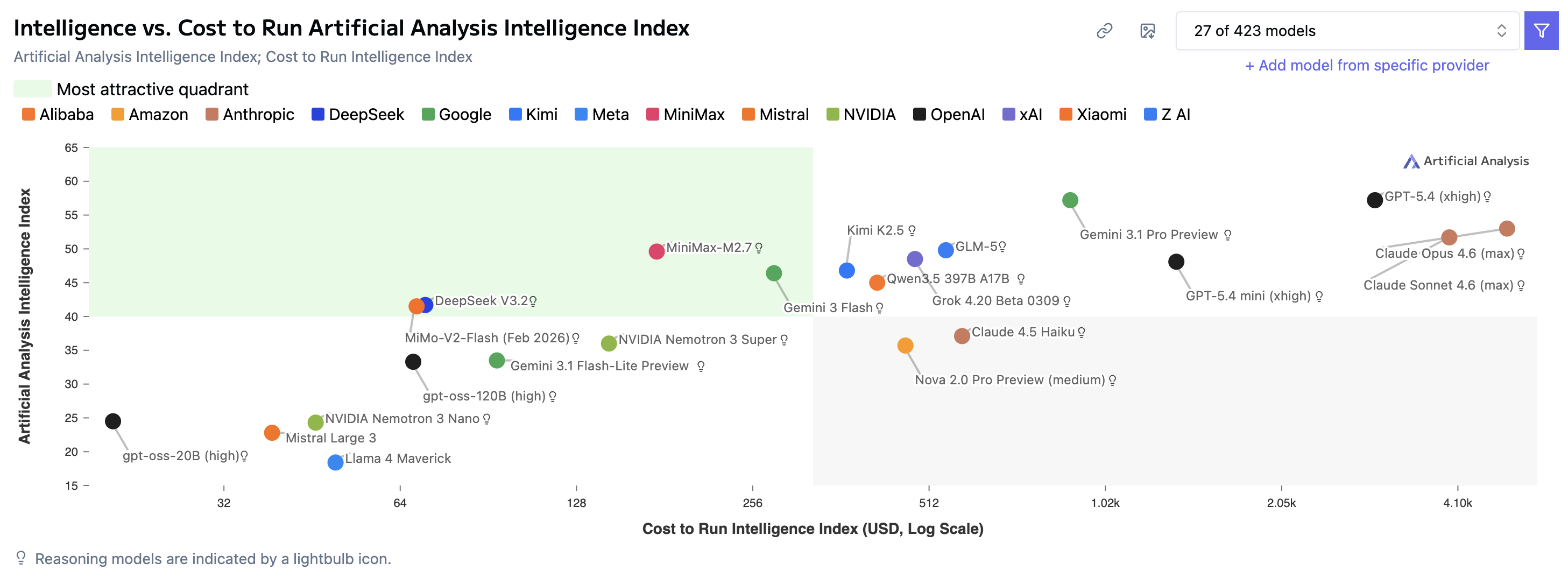
Current model snapshot: Artificial Analysis
- This chart is our March 19, 2026 snapshot of the frontier model market, and we will start each meetup with a view like this.
Model releases
Introducing GPT-5.4
- OpenAI positions GPT-5.4 as its most capable and efficient model for professional work.
- The release bundles reasoning, coding, agent workflows, and better tool use into one mainline model.
- Useful prompt for discussion: what actually changes when frontier models optimize for real work instead of benchmark theater?
Introducing Sonnet 4.6
- Anthropic describes Sonnet 4.6 as a full upgrade across coding, computer use, long reasoning, planning, knowledge work, and design.
- This is a direct competitor in the same "AI for professional work" lane as GPT-5.4.
- Good comparison topic: where should teams prefer Anthropic, OpenAI, or a mixed stack?
Gemini 3.1 Flash-Lite: Built for intelligence at scale
- Google frames Flash-Lite as the fastest and most cost-efficient Gemini 3 series model yet.
- The pitch is high-volume production use: moderation, translation, dashboards, wireframes, and other cost-sensitive workloads.
- Discussion angle: when is "cheap and fast" the winning model strategy, and when is it just false economy?
Infrastructure and agents
OpenClaw 3.13: Mobile Redesign, 2x Memory Fix, and 70+ Stability Patches
- This release is mostly about stability, not flashy new features.
- The biggest fix is a memory regression that had roughly doubled Plugin-SDK memory usage.
- Good practical question: for agent products, how often is reliability more important than model upgrades?
Compute Conference by Daytona
- Daytona is framing the agent era around infrastructure: fast environment creation, sandboxes, and production-ready compute for AI coding systems.
- The speaker lineup is also a useful map of where serious agent builders think the bottlenecks now live.
- Good room question: what part of the agent stack becomes the real moat, models, workflow, or infrastructure?
NVIDIA GTC Keynote 2026
- NVIDIA’s keynote frames the next wave around agentic AI, AI factories, physical AI, and accelerated computing.
- It is a useful snapshot of how infrastructure vendors want to shape the AI narrative, not just supply chips.
- Worth discussing which keynote themes feel real today versus still mostly strategic storytelling.
Company moves and market signals
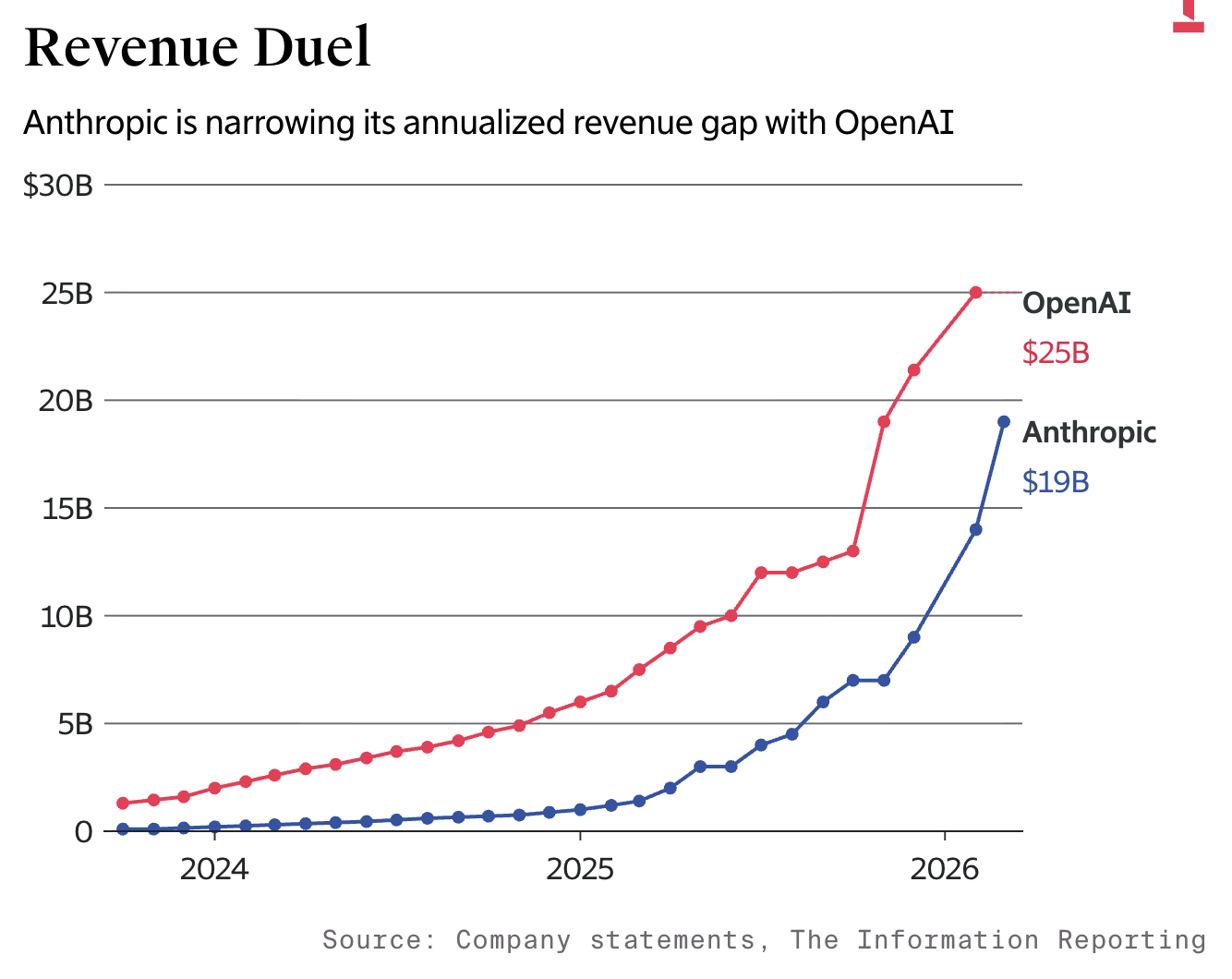
OpenAI Tops $25 Billion in Annualized Revenue as Anthropic Narrows Gap
- The piece says OpenAI topped $25 billion in annualized revenue at the end of last month, up from $21.4 billion at year-end.
- Anthropic reportedly topped $19 billion in annualized revenue, shrinking the revenue gap much faster than many people expected.
- Good question for the room: if Anthropic is catching up this quickly on coding-heavy workloads, what does durable moat actually look like?
Anthropic vs. the Pentagon
- TechCrunch frames 2026 so far as a mix of acquisitions, indie wins, public backlash, and high-stakes contracts.
- The meta-story is that AI competition is no longer just about model quality; it is also about policy, distribution, and public trust.
- Good roundup piece for asking what has actually mattered this year versus what only felt loud online.
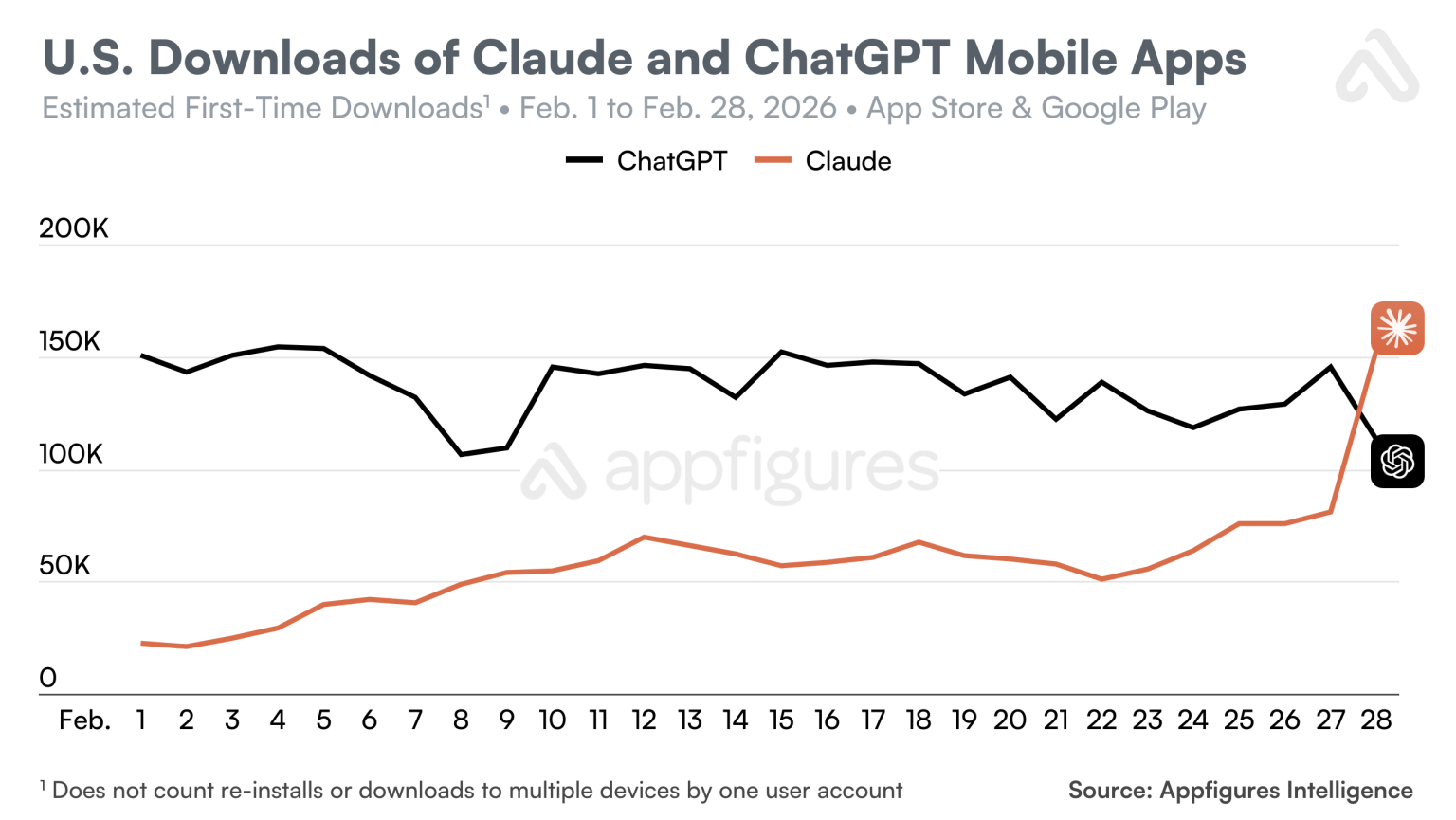
ChatGPT uninstalls surged by 295% after DoD deal
- TechCrunch reports a sharp user backlash after OpenAI’s DoD deal, including a 295% jump in U.S. app uninstalls.
- Claude downloads rose while ChatGPT reviews turned more negative, suggesting values can move market behavior.
- Useful discussion topic: how much does AI product adoption depend on trust, politics, and institutional alignment?
OpenAI Unveils $110B in Funding, Expands AWS Partnership
- The headline ties model progress directly to massive infrastructure scale and capital intensity.
- The AWS expansion suggests frontier model competition is increasingly a compute and distribution game, not just a research game.
- Good question for the room: does this strengthen OpenAI, or deepen dependence on a small set of hyperscalers?
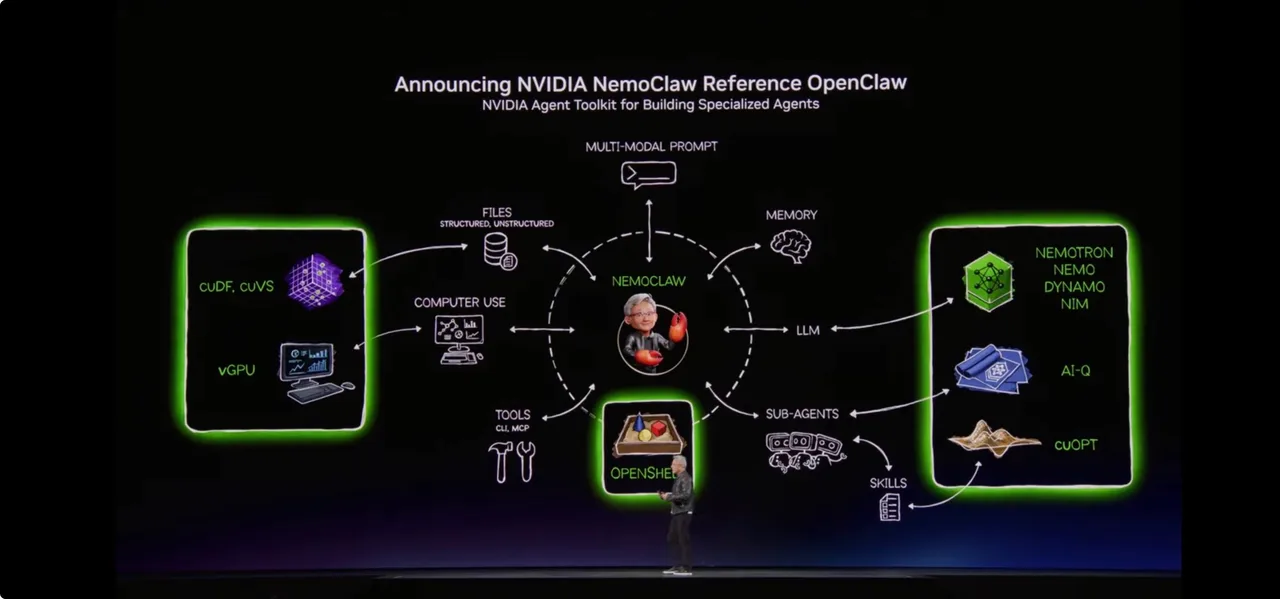
Nvidia Devises a More Secure OpenClaw Stack for Enterprises
- AI Business says Nvidia is packaging OpenClaw with a governance and safety layer for enterprise use.
- The pitch is simple: companies want personal agents, but not the raw security posture of consumer-first agent stacks.
- Worth discussing whether the winning agent platforms will be open, enterprise-hardened wrappers around open systems, or closed vertical stacks.
Peter Steinberger: OpenClaw is becoming a foundation
- Peter Steinberger says he is joining OpenAI, while OpenClaw becomes an open and independent foundation.
- That creates an interesting split between commercial frontier labs and open governance around agent tooling.
- Good discussion angle: does open governance make agent infrastructure more trustworthy, or just slower?
Vincent Koc: 6.7k commits in 2 months
- Vincent Koc highlights 6.7k commits in two months, with a peak day of 413 contributions and 50+ PRs shipped.
- Even if you discount some of the headline energy, it points to how fast modern agent and open-source workflows can compound output.
- Good question for the room: what is a healthy velocity metric in the age of AI-assisted software work?
Public trust and politics
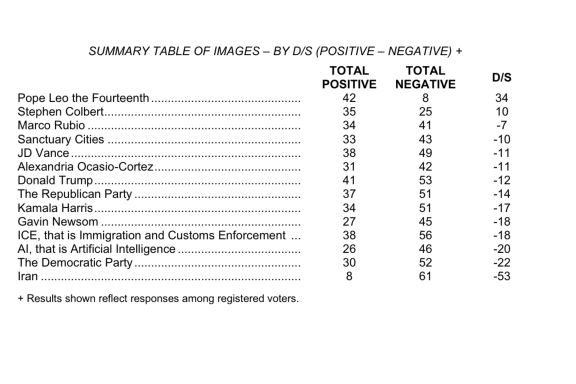
People really hate AI
- Fortune cites polling showing only 26% of respondents had a positive view of AI, while 46% were negative.
- The article connects that skepticism to trust, privacy, social responsibility, and labor anxiety.
- Good closing question: if public sentiment stays this negative, what does sustainable AI adoption actually look like?